
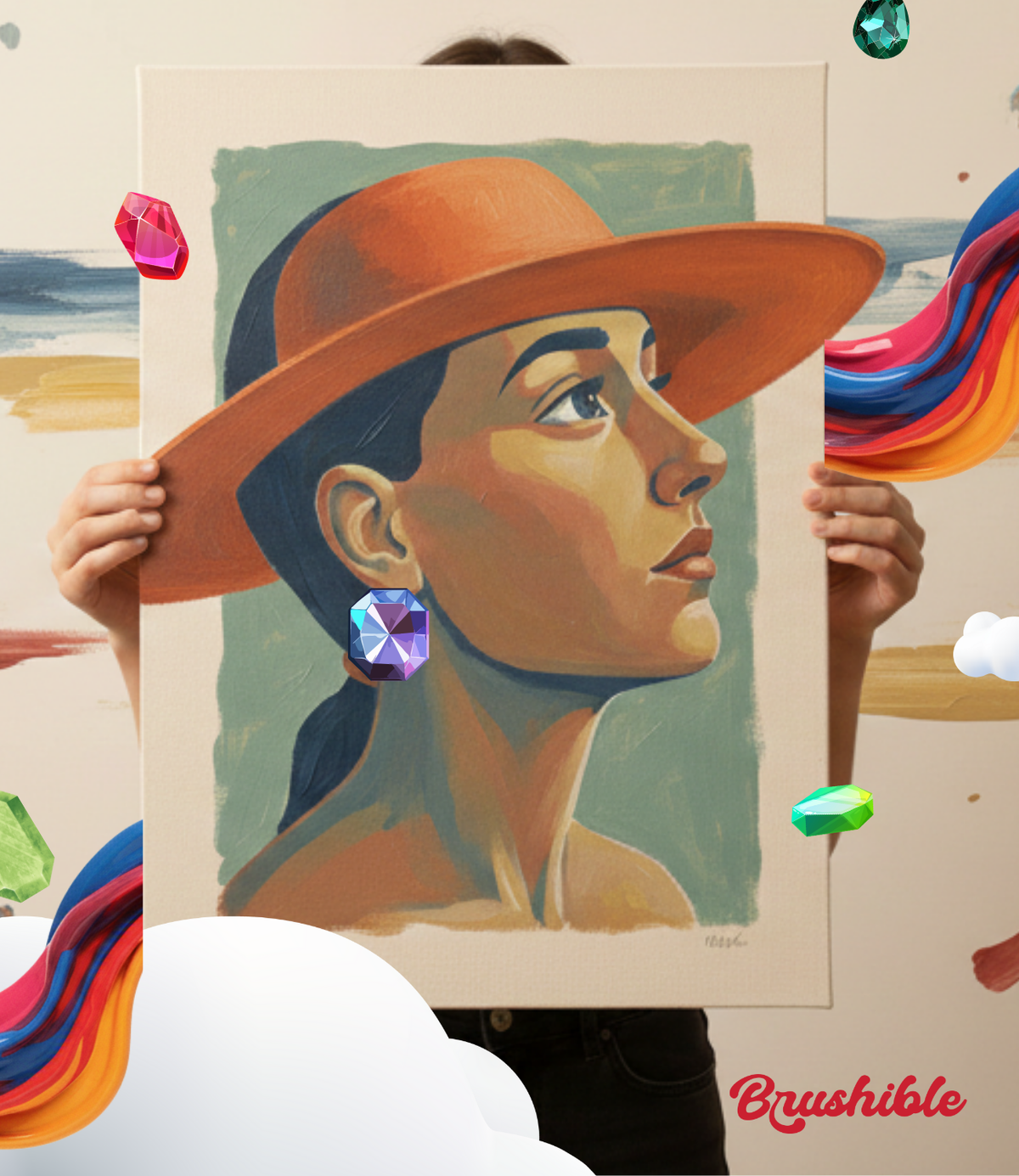
Acrylic paint is one of the most widely used painting mediums in the world today. It’s fast-drying, flexible, beginner-friendly, and endlessly versatile. But the history of acrylic paint is surprisingly modern — and deeply connected to how art became more accessible, more human, and more personal.
If you’ve ever wondered what acrylic paint is, where it came from, or why so many artists choose it, this story starts far from the art studio.
What Is Acrylic Paint?
Acrylic paint is a water-based paint made from pigment suspended in an acrylic polymer emulsion. Once it dries, it becomes water-resistant and durable, while still holding rich color and texture.
Unlike oil paint, acrylic paint:
-
Dries quickly
-
Can be layered without long wait times
-
Cleans up with water
-
Works on many surfaces (canvas, paper, wood, walls)
These qualities are exactly why acrylic paint is so popular today — but they weren’t originally designed for artists.
When Was Acrylic Paint Invented?
Acrylic paint was developed in the mid-20th century, originally for industrial and commercial use. Early acrylic polymers were used in construction, automotive coatings, and household paints because they dried quickly and held up over time.
Artists began experimenting with acrylics in the 1940s and 1950s, intrigued by how differently they behaved compared to traditional oil paints. What started as a practical material quickly became a creative one.
This moment marked a major shift in the history of art materials.
Why Acrylic Paint Changed the Art World
Before acrylics, oil paint dominated fine art. Oil paint is beautiful — but slow. It requires planning, patience, and long drying times. Acrylic paint removed those barriers.
For the first time, artists could:
-
Work at the speed of their ideas
-
Paint in layers without waiting days
-
Experiment without permanent mistakes
That freedom mattered.
Artists like Jackson Pollock, Helen Frankenthaler, and David Hockney used acrylic paint to explore scale, movement, color, and abstraction in new ways. Acrylics weren’t just a replacement for oils — they enabled entirely new styles of painting.
Acrylic Paint and the Democratization of Art
One of the most important parts of acrylic paint history has nothing to do with museums.
Because acrylic paint is easier to use and more forgiving, it quickly moved beyond professional studios and into classrooms, homes, and everyday creative spaces. You didn’t need solvents, specialized equipment, or weeks of drying time.
You just needed curiosity.
Acrylic paint helped make art more accessible to:
-
Beginners and hobbyists
-
People returning to painting after years away
-
Anyone without formal art training
It didn’t lower the value of art. It widened the door.
Why Artists Still Use Acrylic Paint Today
Today, acrylic paint remains one of the most popular painting mediums because it fits modern life.
Artists choose acrylic paint because it:
-
Adapts to short creative sessions
-
Encourages experimentation
-
Supports both detail and bold expression
-
Works for beginners and professionals alike
In a fast, distracted world, acrylic paint allows creativity without pressure.
What Acrylic Paint Means to Brushible
At Brushible, we believe creativity doesn’t live in the paint itself — it lives in the person holding the brush.
The history of acrylic paint reflects something we care deeply about: art becoming more human. More flexible. More forgiving. Less intimidating.
Acrylic paint isn’t about perfection. It’s about starting. Trying. Repainting. Discovering something unexpected.
That’s why it still matters.
Final Thoughts: Acrylic Paint Was Made for Now
If you’re wondering whether acrylic paint is “right” for you, history already answered that question.
Acrylic paint was never meant to be precious.
It was meant to be used.
And that might be its greatest legacy.


Leave a comment
This site is protected by hCaptcha and the hCaptcha Privacy Policy and Terms of Service apply.